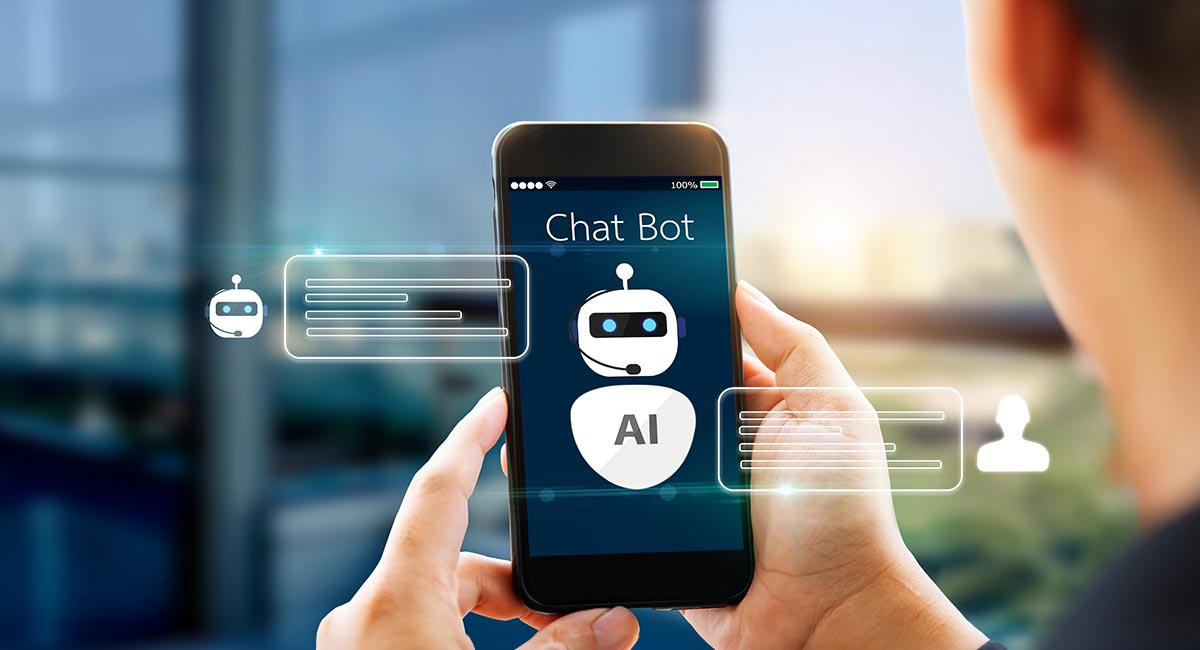
AI chatbots have come a long way from simple customer service helpers to advanced conversational agents that can write, code, plan, and even create art. In 2025, they’re integrated into everyday workflows—from education and healthcare to content creation and business automation.
Whether you’re a student seeking study help, a professional managing tasks, or a developer building products, there’s likely an AI chatbot suited to your needs. Below is a curated list of the best AI chatbots currently available, along with descriptions and direct links to their websites.
1. ChatGPT (by OpenAI)
ChatGPT remains the most well-known and widely used AI chatbot in the world. Developed by OpenAI, it supports natural conversation, creative writing, problem-solving, and coding. The free version uses GPT‑3.5, while the paid version gives access to GPT‑4 and GPT‑4o, which are significantly more powerful and multimodal (text, vision, voice).
The chatbot is known for its speed, fluency, and the ability to understand and generate content with impressive depth and coherence. It’s also integrated into Microsoft apps like Word and Excel via Copilot.
Best for: Everyday users, writers, developers, students, business professionals
Website: https://chat.openai.com
2. Google Gemini (formerly Bard)
Gemini, Google’s AI chatbot, has evolved from Bard into a more powerful multimodal assistant capable of handling text, images, and voice. With real-time web access and deep integration with Google Search and Google Workspace (Docs, Gmail, Sheets), it helps users create, learn, and automate tasks.
Gemini excels at answering research questions, summarizing articles, and assisting with document editing. It’s available for free via your Google account and is embedded in many of Google’s mobile and desktop tools.
Best for: Research, writing, and Google ecosystem users
Website: https://gemini.google.com
3. Microsoft Copilot (formerly Bing Chat)
Copilot is Microsoft’s AI chatbot, powered by OpenAI’s GPT-4 model and tightly integrated into Windows, Edge, and Microsoft 365 apps. It offers web-aware responses and document-based answers (like extracting key points from a PDF or Excel file).
It’s especially useful in enterprise environments where users rely on Office tools. With the rollout of Windows Copilot, it is becoming the built-in assistant for Microsoft users.
Best for: Office work, productivity, enterprise use
Website: https://copilot.microsoft.com
4. Claude (by Anthropic)
Claude is a highly conversational AI assistant created by Anthropic. It’s known for its thoughtful, safe, and nuanced replies. Claude 3 is capable of analyzing large texts (like 100,000+ words), which makes it ideal for reviewing contracts, research papers, or novels.
It’s praised for maintaining context over long conversations and handling sensitive or complex tasks with care. Claude is available via web app and integrated into third-party tools like Notion AI.
Best for: Long document analysis, nuanced writing, ethical AI responses
Website: https://claude.ai
5. Pi (by Inflection AI)
Pi is a conversational AI designed to be personal, empathetic, and emotionally intelligent. Unlike other bots that aim for high utility or knowledge, Pi focuses on building rapport, offering advice, and being a “companion-like” assistant. It doesn’t just respond; it asks questions, remembers your preferences (when allowed), and reflects a personality.
It’s often used by people looking for mental wellness support, daily conversation, or emotional grounding.
Best for: Personal growth, casual chats, emotional support
Website: https://pi.ai
6. You.com AI Chat
YouChat is part of the You.com AI platform, a search engine combined with chatbot functionality. It can browse the web in real-time, generate content, and summarize recent news. YouChat is fast, direct, and useful for users who want Google-level search results with AI commentary.
It also has a developer-friendly interface for creating plugins or automating research.
Best for: Real-time search and content generation
Website: https://you.com
7. Poe (by Quora)
Poe is a platform that lets users interact with multiple AI models (including ChatGPT, Claude, and others) all in one place. It’s designed for flexibility and allows side-by-side testing of AI responses. Poe also supports community-created bots and conversation sharing.
This makes it an ideal environment for comparing AI responses or creating niche chatbots based on specific needs.
Best for: AI comparison, quick answers, custom bots
Website: https://poe.com
8. Replika
Replika is an AI chatbot that doubles as a digital companion. It’s designed to build emotional connections, learn your preferences, and provide daily conversations that feel human. Replika uses memory and emotional tone detection to keep interactions friendly, calm, and empathetic.
While it’s not meant for productivity or coding, it’s popular among users who want a more social, lifelike AI to chat with regularly.
Best for: Companionship, emotional connection, daily chats
Website: https://replika.com
9. Character.AI
Character.AI lets users talk to AI characters based on fictional, historical, or user-created personalities. You can chat with a “Shakespeare bot,” a “personal life coach,” or create a custom character with your desired traits. It’s primarily used for entertainment, role-playing, and story-based interaction.
Though less focused on factual accuracy, it offers one of the most fun and flexible AI experiences online.
Best for: Storytelling, creative chats, role-play
Website: https://character.ai
10. HuggingChat (by Hugging Face)
HuggingChat is an open-source alternative to ChatGPT, developed by the Hugging Face community. It runs on a variety of open LLMs (like Mistral and LLaMA) and is ideal for users who want transparency, developer access, and open AI alignment.
It’s a free and customizable chatbot for tech-savvy users or developers looking to test models outside the major platforms.
Best for: Open-source experimentation, developer use
Website: https://huggingface.co/chat
Conclusion
The AI chatbot landscape in 2025 is diverse and rapidly evolving. From personal companions like Pi and Replika to powerful productivity bots like ChatGPT and Microsoft Copilot, there’s something for every kind of user. Choosing the best one depends on your goals—do you need help writing, emotional support, research assistance, or coding? Each chatbot brings a unique experience, voice, and functionality.
Most of these chatbots offer free versions, so you can try them out before committing. Whether you’re using AI to save time or expand your creativity, the right chatbot can become an essential tool in your daily life.